17 June 2026
Farm BasicsWhat Is the Difference Between a Heifer, a Cow and a Bull?
Walk past a field of cattle and you might casually call them all cows. Any farmer nearby will quietly wince. Cattle have a precise vocabulary — heifer, cow, bull, steer, bullock, calf — and each term means something specific. Here's what they all mean and how to tell them apart without getting too close.
The full cattle vocabulary
| Term | Sex | Definition |
|---|---|---|
| Calf | Male or female | A young bovine from birth to weaning — typically under 6 months |
| Heifer | Female | A female bovine that has not yet had a calf |
| Cow | Female | A female bovine that has had at least one calf |
| Bull | Male | An intact (uncastrated) male bovine capable of reproduction |
| Steer / Bullock | Male | A castrated male bovine — raised for beef, cannot reproduce |
| Suckler cow | Female | A beef cow that rears her calf naturally by suckling rather than being milked |
| In-calf heifer | Female | A heifer that is pregnant with her first calf — she becomes a cow at calving |
The heifer
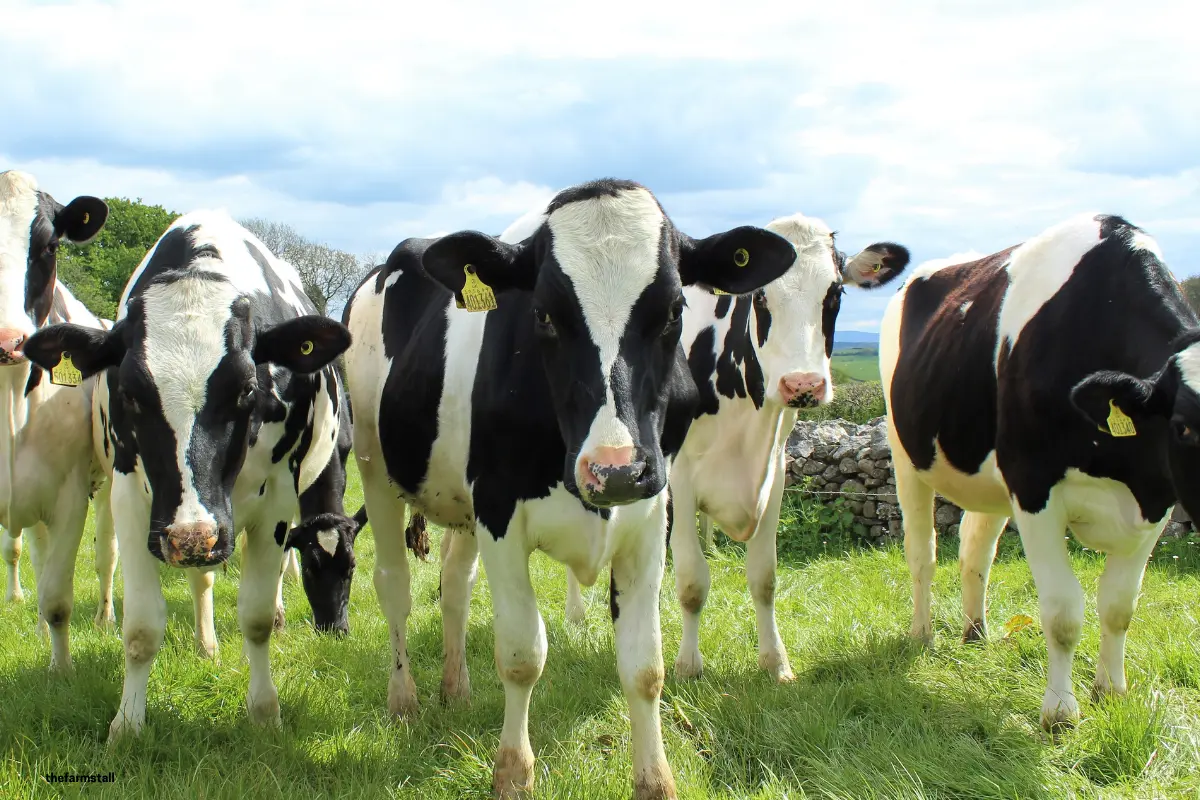
A heifer is a young female bovine that has not yet had a calf. She might be days old or two years old — the defining characteristic is simply that she hasn't calved. Once she gives birth, she becomes a cow, regardless of age.
On UK dairy farms, heifers are typically first mated or artificially inseminated at around 14-16 months old, with the aim of calving for the first time at 24 months. Getting heifers in calf at the right time is important — calving too young can stunt growth, while calving too late costs money and delays first milk production.
Heifers are generally lighter and smaller than mature cows, and their first lactation milk yield is usually 20-25% lower than a mature cow's. They tend to fill out significantly after their first calf.
How to spot a heifer
Heifers are generally slimmer through the middle than mature cows, with a less developed udder. Their hips are often more prominent. On beef farms they may be harder to distinguish from cows without knowing the herd — a stockperson will know each animal individually.
The cow
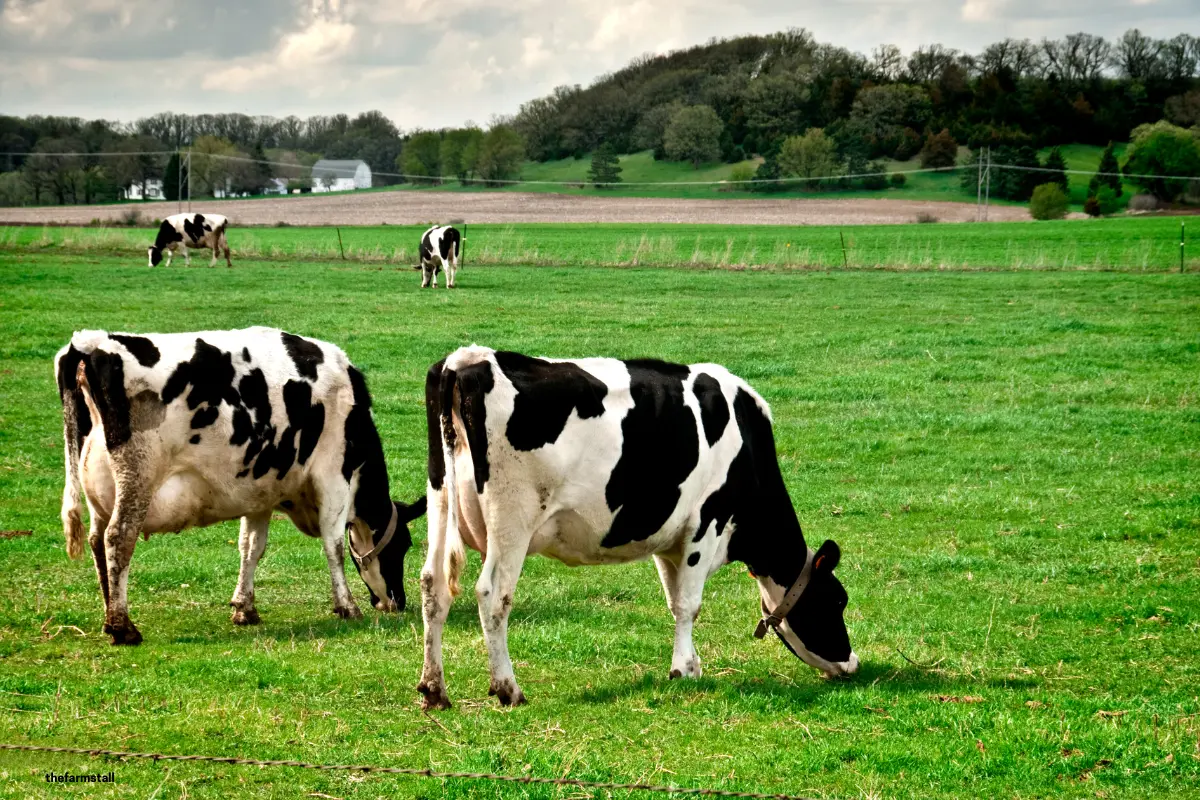
A cow is a female bovine that has had at least one calf. The word is often used loosely to mean any cattle, but strictly speaking it only applies to females that have calved.
In dairy farming, cows are the productive core of the business. A dairy cow in the UK typically produces milk for 10 months of the year, is dried off for 6-8 weeks before her next calf, and has a new calf roughly once every 12-13 months. Her productive life on a commercial dairy farm is typically 3-5 lactations before she is culled — though some breeds like the Ayrshire regularly milk into their eighth or ninth lactation.
In beef and suckler systems, a cow's job is to produce a calf each year and raise it to weaning. Suckler cows are typically larger-framed than dairy cows, with a less developed udder — they only need to produce enough milk for one calf, not a parlour.
The bull
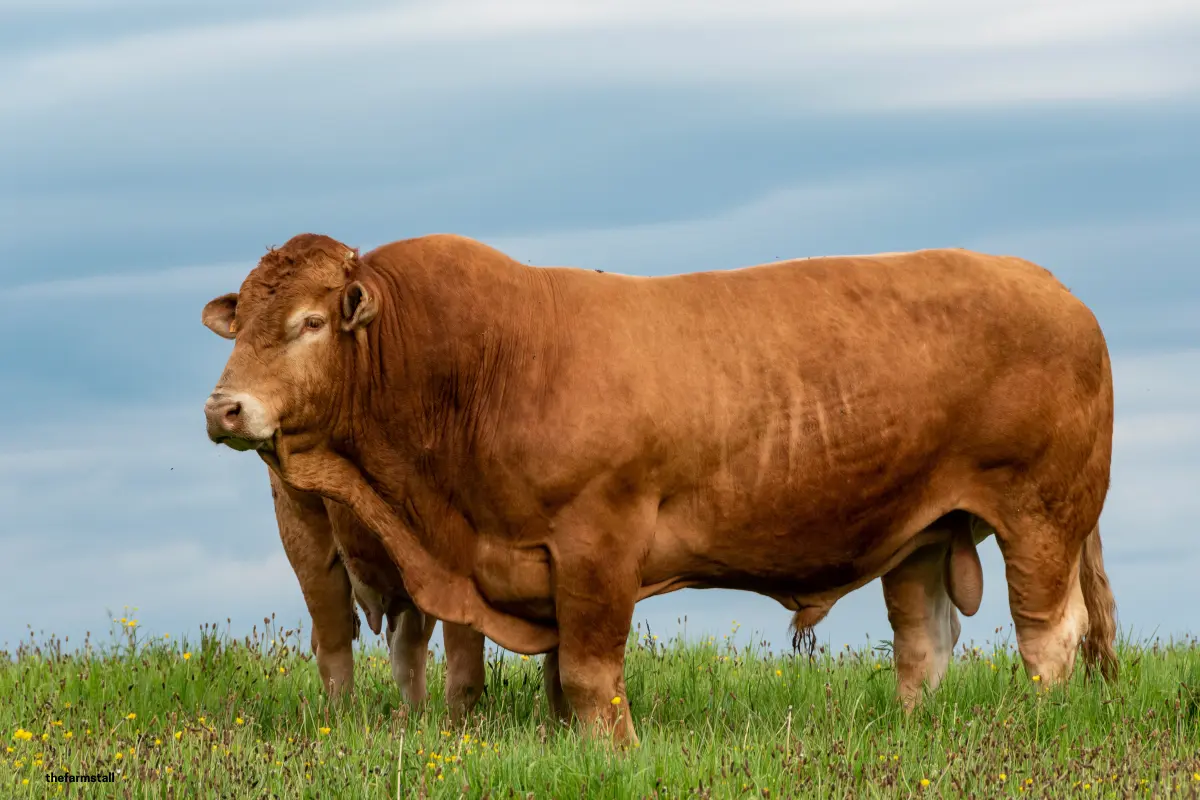
A bull is an intact male bovine — one that has not been castrated and is capable of reproduction. Bulls are kept specifically for breeding, either running with a herd of cows and heifers naturally, or having semen collected for artificial insemination (AI).
Bulls are significantly larger than cows of the same breed — a mature Hereford bull might weigh 900-1,000 kg compared to 550-650 kg for a cow. They develop a distinctive muscular neck and shoulder, a broader head, and a more upright stance. They can be distinguished from steers by their anatomy and by their significantly more developed neck and shoulder musculature.
On most commercial UK farms, bulls are treated with significant caution. A dairy farm running artificial insemination may keep no bulls at all. Where bulls do run with cows, they are respected for their size, unpredictability and the potential for serious injury — even a normally placid bull can be dangerous, particularly around calving.
⚠️ Safety note for visitors
Never enter a field containing a bull without knowing where it is and how it is behaving. Under the Health and Safety at Work Act, farmers must not keep a bull of a recognised dairy breed in a field crossed by a public right of way. If you encounter a bull while walking and it approaches, move calmly to the field boundary — do not run.
The steer (or bullock)
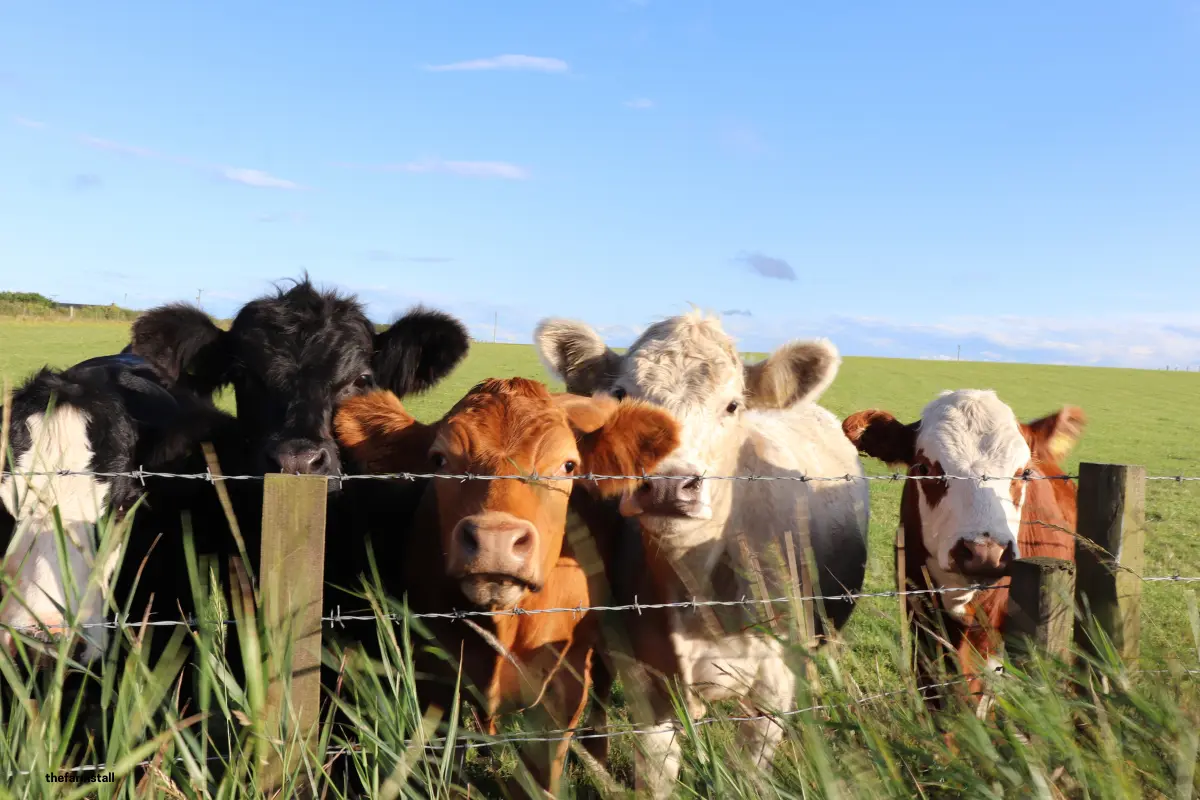
A steer (called a bullock in most of the UK) is a male bovine that has been castrated. Castration is typically carried out in the first weeks of life on beef farms, and serves several purposes — it makes the animals calmer and easier to manage, prevents unwanted breeding, and produces beef with different fat distribution and flavour characteristics than bull beef.
Most beef sold in UK supermarkets and butchers comes from steers or heifers. Bull beef is also sold but tends to be leaner and is often processed rather than sold as whole cuts. Steer beef is considered by many butchers to produce the best eating quality in traditional British beef breeds.
The calf
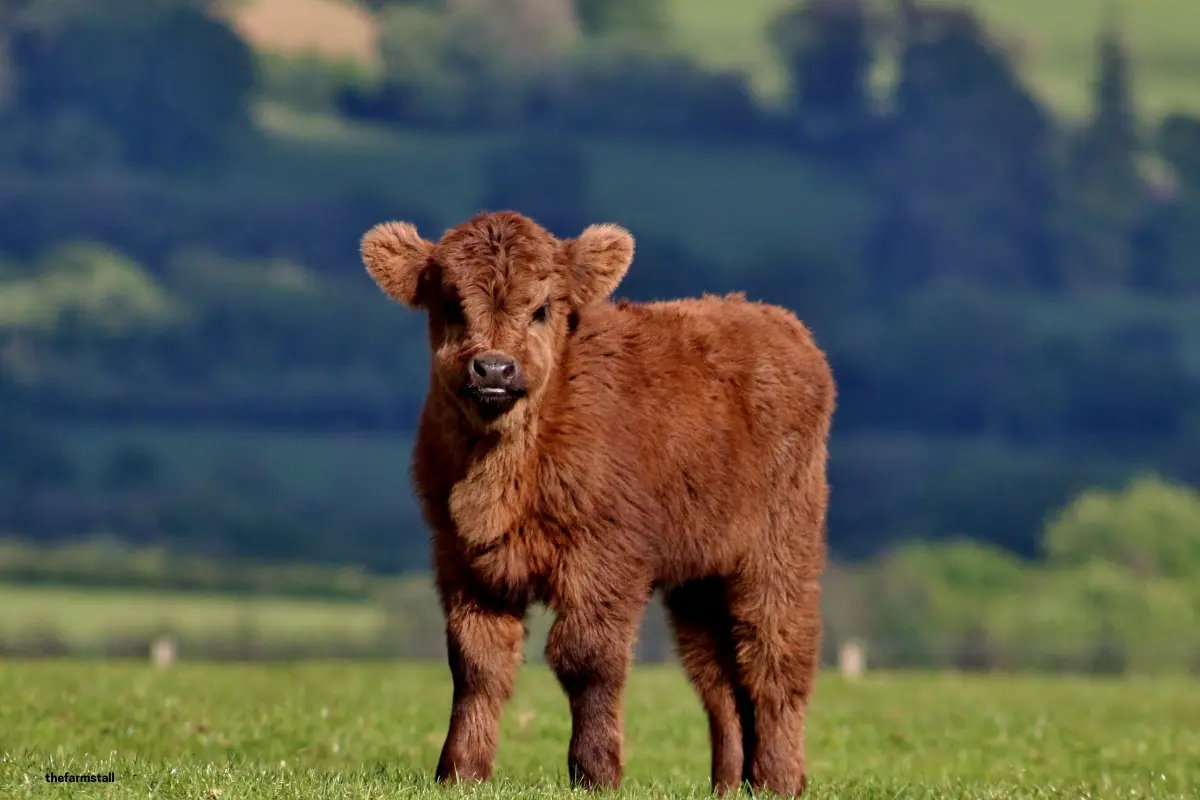
A calf is a young bovine of either sex, from birth until weaning. On dairy farms, calves are typically separated from their mothers within 24-48 hours of birth and reared separately on milk replacer or whole milk. On suckler beef farms, calves stay with their mothers for several months before being weaned.
What happens to dairy calves depends on their sex and breed. Heifer calves are usually kept to replace older cows in the milking herd. Bull calves from dairy breeds are less commercially valuable — they may be reared for rose veal, reared as beef crosses, or in some cases sold on. This is one of the less widely understood aspects of dairy farming that buyers of farm-direct dairy products sometimes ask about.
How to tell them apart in a field
| What you see | What it probably is |
|---|---|
| Large, heavy animal with a well-developed udder | Cow (dairy or suckler) |
| Slimmer female, smaller udder, younger looking | Heifer |
| Very large animal with thick neck, broader head, kept separately | Bull |
| Group of uniform-sized beef animals, no obvious udder | Steers (bullocks) |
| Small animal close to a larger one, possibly suckling | Calf with its mother |
| Large group of black-and-white animals walking purposefully in the same direction | Dairy cows heading to the parlour |
Buy direct from local dairy and beef farms
The Farm Stall directory lists local farms selling fresh dairy, beef and more direct to buyers. Find one near you on the map.