30 July 2026
IdeasFarm Diversification Idea: Host a Lambing Experience Day
⚠️ Important before you read on
This article is an ideas piece, not professional legal, insurance or biosecurity advice. Before hosting any paying visitors on your farm for hands-on livestock contact, you must confirm your insurance position in writing with your broker, carry out a suitable risk assessment, and familiarise yourself with APHA open farm guidance and the Visitor Code of Practice. Lambing visits carry specific biosecurity risks — particularly for pregnant women — that must be communicated and managed seriously. The information below is general in nature and may not reflect your specific situation.
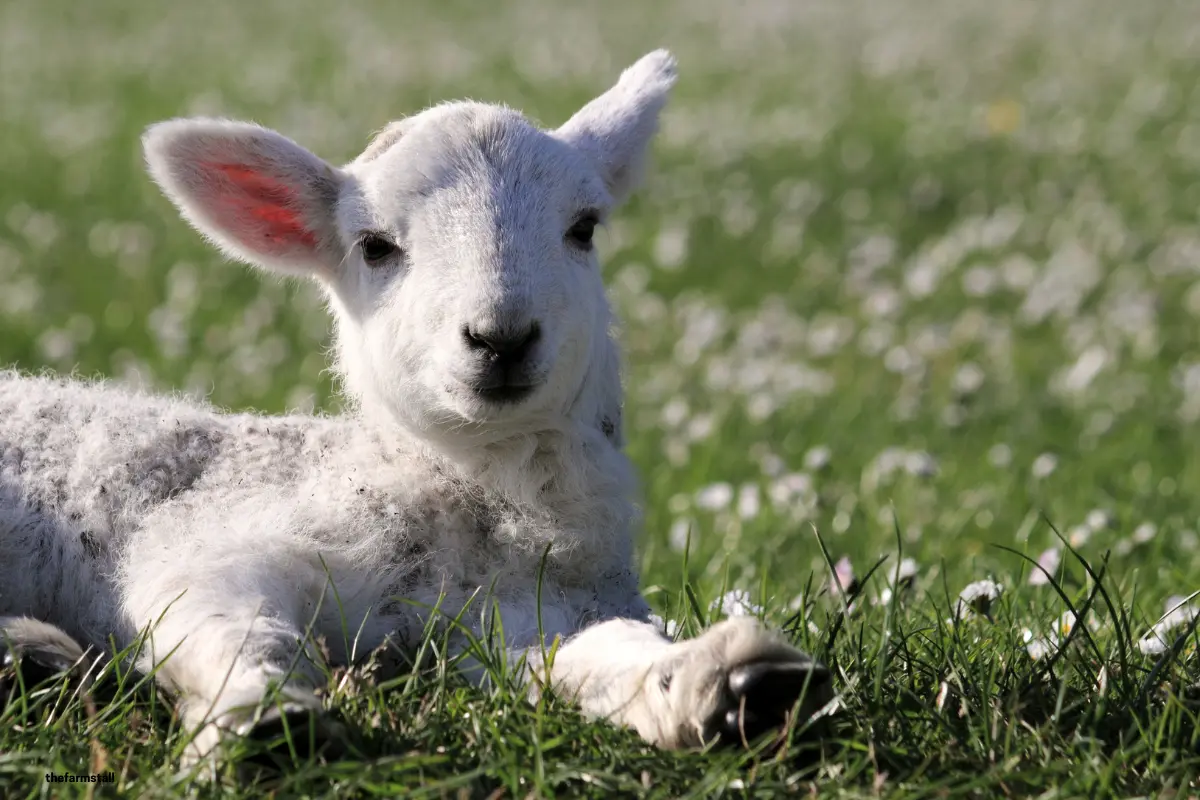
If you've ever posted a photo of a newborn lamb on social media and watched the comments flood in, you already know the appeal. Lambing is one of those farm experiences that people respond to instinctively — and for many families, the chance to hold a lamb or feed one from a bottle is the kind of thing they'll remember for years.
The good news for sheep farmers considering this is that you're already doing it anyway. The lambing routine exists whether or not you open the gate to visitors. The question is whether it's worth adding a structured, bookable visitor element on top — and for many farms, it is.
We're writing this in summer, when lambing season feels a long way off. That's deliberate. The farms that run successful lambing experiences don't start planning in January — they start planning now, so that by the time ewes are bagging up, everything is already in place.
What a lambing experience typically looks like
Small groups, fixed time slots, close supervision throughout. A session of 60–90 minutes is typical and might include:
- Welcome and briefing in the farmyard — rules, biosecurity, what to expect
- A short talk about the lambing process, the breeds on the farm, and what the season involves
- Supervised time in the lambing shed — viewing ewes and newborns, handling settled lambs under guidance
- Bottle feeding of orphan or pet lambs — the highlight for most children
- Handwashing — mandatory, thorough, at every exit from the animal area
- Optional extras: a farm walk, a hot drink, a chance to see other farm animals
The format that works best keeps numbers small — typically 10 to 20 visitors per session — so the experience feels personal and supervision is genuinely possible. Larger group sizes quickly become difficult to manage safely in a working lambing shed.
The biosecurity considerations are serious
Lambing visits carry specific health risks that must be taken seriously and communicated clearly to every visitor — not buried in small print.
The most significant is Chlamydophila abortus, the bacteria responsible for enzootic abortion in sheep, which can cause miscarriage or stillbirth in pregnant women. This is not a theoretical risk. Pregnant women must not enter lambing areas, and this must be communicated at the point of booking — not just on arrival. Consider adding a clear declaration to your booking process.
Beyond this, ewes and lambs can carry E.coli O157 and Cryptosporidium. Children are particularly vulnerable. The standard open farm rules apply: proper handwashing facilities (soap and running water — not just gel) at every exit from animal contact areas, clear briefings before entry, constant supervision, and no eating or drinking in the lambing area.
The APHA and HSE publish guidance specifically for open farm visits involving livestock. Read it. Your vet is also a good first call — they'll know your flock's health history and can advise on what's appropriate given your specific situation.
Insurance — sort this first, not last
Standard farm public liability insurance is unlikely to cover paying visitors engaged in hands-on contact with livestock in a lambing shed. You need to call your broker and ask specifically about agritourism or open farm visitor cover — not assume it's included.
Get written confirmation. Know exactly what activities are covered, whether there are age restrictions or exclusions, and what documentation (risk assessment, visitor briefing records) the policy requires you to maintain. This is the first thing to sort — everything else follows from it.
Plan in summer, sell in autumn, lamb in spring
The timeline for a February or March lambing experience should look something like this:
- Summer/early autumn: Insurance confirmed, risk assessment drafted, basic visitor management plan in place
- Autumn: Set up a register interest page to build a waitlist ahead of ticket sales going live
- November/December: Open ticket sales with session dates, times and capacity limits set
- January: Briefing notes finalised, staff trained on visitor management, signage ready
- February/March: Lambing begins — sessions run to the booked schedule
Families who want to do this kind of thing plan ahead, especially for school holidays. If you open ticket sales in January, the best slots are often gone by the time most people think about booking. Building a waitlist in advance gives you a ready-made audience the moment sales go live.
What to charge
Lambing experiences command a reasonable price because the window is short and the experience is genuinely special. Typical UK pricing:
- Adults: £12–£20
- Children (3–12): £8–£15
- Under 3s: often free
- Family ticket (2 adults + 2 children): £40–£60
If you include extras — a farm walk, refreshments, an activity for children — the higher end is justifiable. Research what comparable farms in your area charge and position accordingly. Don't undercut to fill slots; a small, well-priced, well-run experience is better than a large, underpriced, chaotic one.
Taking bookings
Pre-paid timed tickets are essential for this kind of experience. They tell you exactly who is coming, prevent overbooking, and eliminate no-shows — which matter a lot when you're turning people away to respect your capacity limits.
Set up a ticket sales campaign on The Farm Stall with your session dates, times and per-session cap. Customers book and pay online; the money goes straight to your bank via Stripe. When a session is full, it's full — no uncomfortable conversations on the phone.
Start planning your lambing experience now
List your stall free and set up a ticket sales campaign before the season. The farms that sell out are the ones who start early.
Get started free